Kia’s Ascent: Balancing Family Practicality with Global Security Fixes
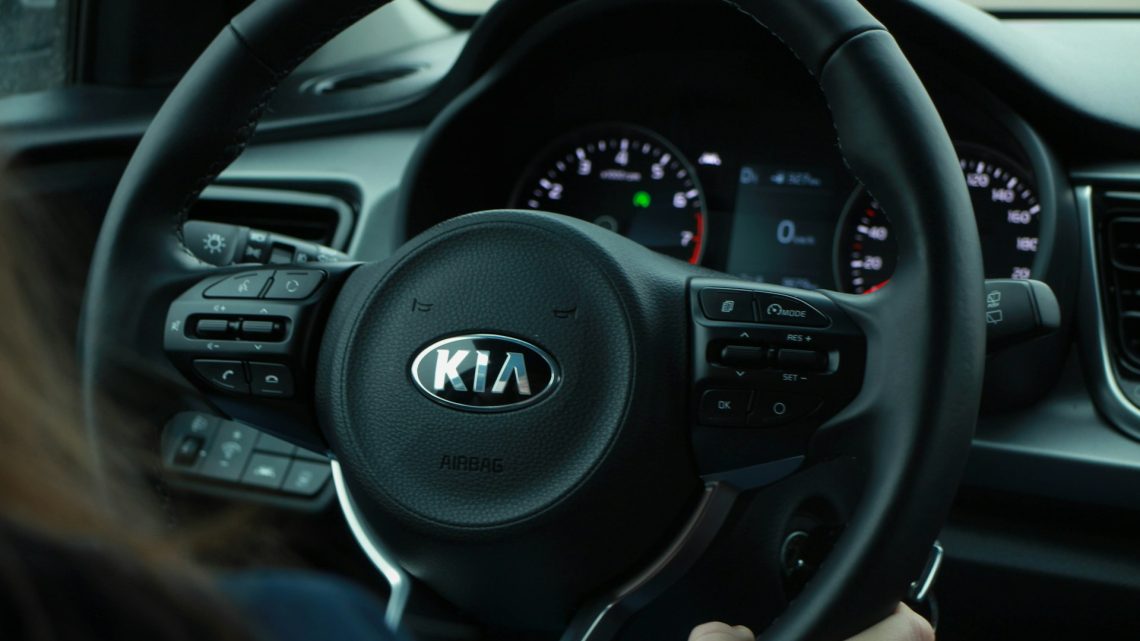
17 December 2025It has become practically impossible to drive a Kia Sportage these days without sparking a conversation. During my three months with the vehicle, nearly every encounter involved someone remarking on its reputation or mentioning they were considering buying one. This anecdotal evidence is backed by hard data; Kia’s overall sales climbed by 10 per cent last year, securing a significant 6 per cent of the market share. The Sportage acts as the mainstream flagship for the brand, perfectly positioned in a sector where a decent family-sized SUV is arguably the most relevant car one can own. It is not designed to be a thrill-seeker’s machine, but that is hardly its modus operandi. Instead, it excels in the mundane but essential tasks of daily life, proving its worth on the local shop run or munching miles on longer journeys, packed to the rafters with passengers and luggage.
Practicality Over Poshness
In what might seem an irrelevant comparison, I recently spent time in a Bentley Flying Spur S Hybrid. While it was every bit as magnificent as one would expect, I frequently found myself opting for the Kia. It simply felt easier to navigate the farm shop car park or squeeze into a parallel parking space. While I would naturally still covet the Bentley, the Sportage proved to be an immensely liveable space in the real world. This usability stemmed from basics, such as the deep centre console storage perfect for chucking keys and phones into, through to the technology. The blind-spot monitor, despite being occasionally blurry in poor weather, offered utility that far outweighed its flaws.
Life Behind the Wheel
Space is always at a premium when a toddler is involved, yet the Sportage’s cabin coped admirably. Even with a bulky child car seat installed, there was just enough room for the front passenger, though an extra couple of inches would not have gone amiss. On longer drives to the Peak District and Northumberland, the seats offered excellent lumbar support, and passengers frequently praised the interior quality. The hybrid powertrain served as a capable companion, offering respectable performance and refinement for everyday driving. It accelerated comfortably onto motorways—noticeably quicker than rivals like the Toyota C-HR—with the engine only sounding gruff when pushed firmly above 4,500rpm. While it isn’t a keen-handling sports car, the turn-in was sharper than many mid-sized SUVs, with surprisingly little body roll on corner-heavy roads. Notably, opting for the GT-Line trim rather than the four-wheel-drive model could have saved a considerable sum while retaining key features like the 12.3-inch infotainment display and adaptive cruise control.
Addressing Legacy Security Issues
While the manufacturer pushes forward with competitive new models, they are simultaneously working to resolve significant legacy issues across the Atlantic. In a major move to address theft concerns, Hyundai and Kia have agreed to retrofit approximately 7 million vehicles in the United States. This follows a period of intense scrutiny involving a theft method popularised on social media platforms like TikTok, which exposed vulnerabilities in vehicles lacking push-button ignitions and immobilising anti-theft devices. The trend has had tragic real-world consequences, with regulators linking the security flaw to at least 14 crashes and eight fatalities in 2023 alone.
The Retrofit and Restitution Plan
To resolve an investigation by a bipartisan coalition of 35 state attorneys general, the Korean automakers have committed to installing prevention equipment. This includes free zinc-reinforced ignition cylinder protectors for eligible owners, designed to reinforce the cylinder body and prevent its removal. Furthermore, they have agreed to equip all future US vehicles with engine immobiliser technology. Hyundai confirmed their hardware update would cover nearly 4 million vehicles, whilst Kia’s programme encompasses about 3.1 million. Minnesota Attorney General Keith Ellison noted that the cost of these installations could exceed $500 million, stating that the failure to include industry-standard technology had unleashed a wave of thefts costing people their money and, in some cases, their lives.
Moving Forward
Beyond the hardware fixes, the financial implications for the automakers are substantial. Hyundai and Kia will pay up to $9 million to states and consumers to defray investigation costs. This comes on top of a 2023 agreement to settle a consumer class-action lawsuit worth $200 million. Kia described the agreement as the latest step in supporting customers impacted by criminals, with the zinc-sleeve modification specifically targeting the theft method inspired by online videos. Eligible consumers are expected to receive notices in early 2026 and will have until the end of March 2027 to have the protectors installed at local dealerships, marking a significant effort to close this chapter and focus on the success of their modern lineup.